The Discipline of Delay: Why Recommending Patience Is One of the Hardest — and Most Important — Things a Physician Can Do
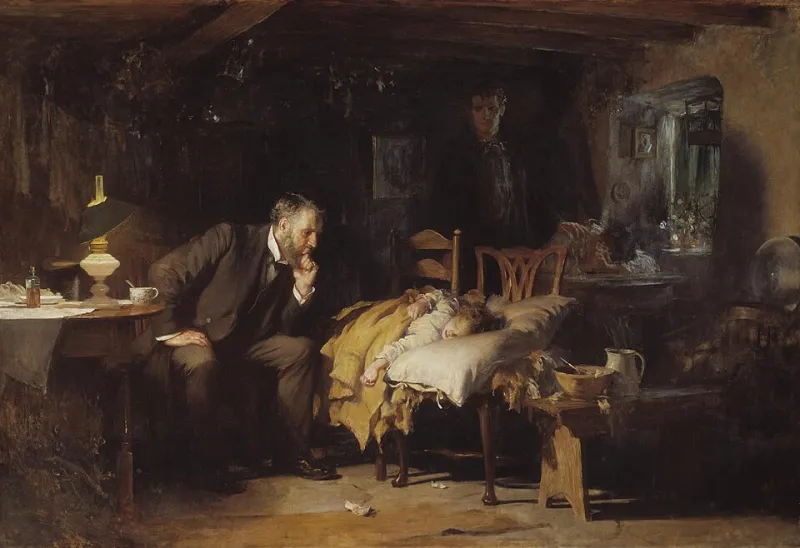
Photo: Luke Fildes, Public domain, via Wikimedia Commons
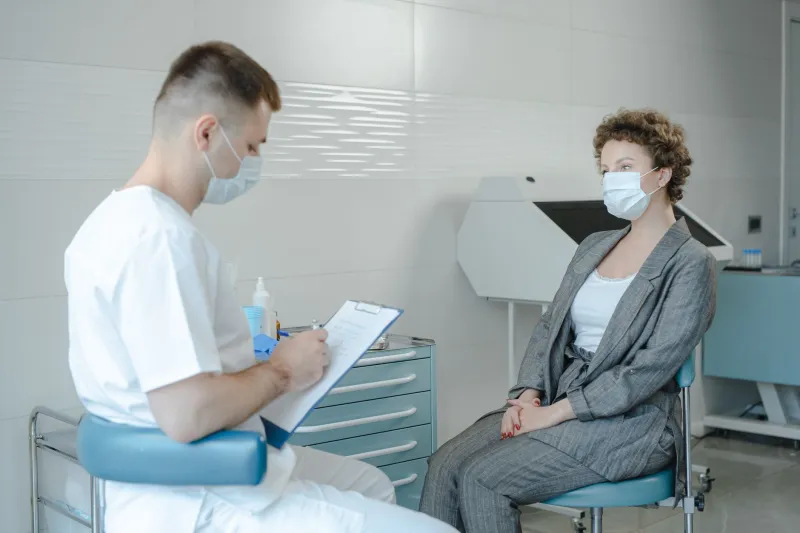
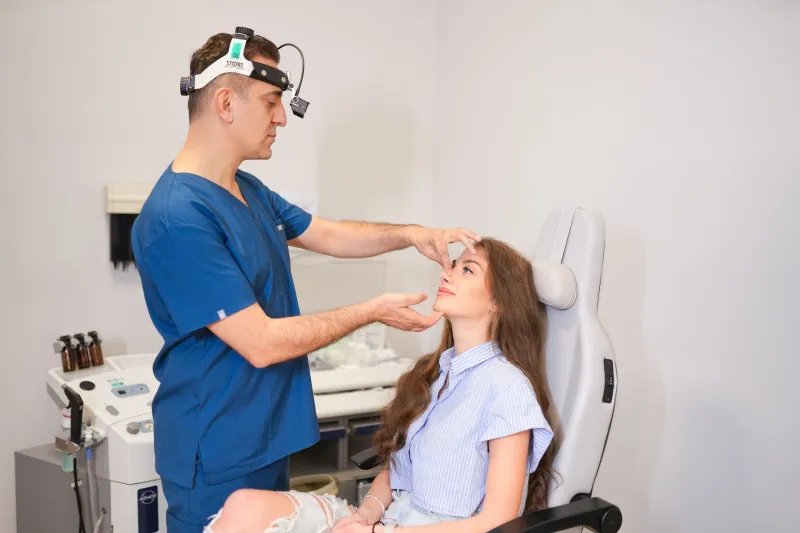
There is a particular kind of discomfort that aesthetic physicians rarely discuss publicly: the discomfort of telling a motivated, well-prepared patient that now is not the right time.
The patient has done the research. They have saved for the procedure. They have mentally rehearsed the outcome. And the physician, after a thorough consultation, arrives at the conclusion that proceeding today would not serve them well. Delivering that message — and standing behind it when the patient pushes back — requires a degree of clinical conviction that is genuinely difficult to maintain in a fee-for-service medical environment.
This is the discipline of delay. And it is, in the view of Japanese aesthetic medicine, one of the most meaningful things a physician can offer.
The Physiology of Poor Timing
Not all treatment delays are about patient psychology or emotional readiness. Many are grounded in straightforward physiology — and understanding the biological case for timing makes it easier to accept when a physician recommends it.
Consider the patient who presents for filler treatment within six weeks of a significant weight change. Whether the change is a loss of ten pounds or a gain, the face is still redistributing. Adipose tissue in the face does not stabilize immediately after body weight shifts; it continues to adjust for weeks to months. Placing filler into a face that is still in flux is anatomically imprecise — the physician is targeting a moving structure. The result may look appropriate at the two-week follow-up and meaningfully different three months later, not because the filler migrated but because the face around it changed.
Similarly, a patient recovering from illness, significant sleep disruption, or high-stress periods will present with facial changes — periorbital hollowing, decreased skin turgor, altered facial volume distribution — that are temporary rather than structural. Treating these transient changes with permanent or semi-permanent interventions is a clinical error. The intervention addresses a condition that would have resolved on its own, and it does so in a way that may not be reversible.
Japanese clinical training places significant emphasis on the concept of baseline stability — the idea that treatment should begin from a physiologically settled state. When that baseline is absent, waiting is not a failure of decisiveness. It is the correct clinical decision.
The Psychology of Premature Treatment
The physiological arguments for timing are compelling. The psychological ones are, if anything, more important — and considerably more difficult to communicate.
Aesthetic medicine has a well-documented relationship with emotional state. Patients who present during periods of acute stress, grief, major life transition, or interpersonal conflict bring a different quality of decision-making to the consultation than patients who are stable and clear-minded. This is not a judgment about the patient's character or capability. It is an observation about the way emotional urgency compresses the decision-making process and raises the risk of outcome dissatisfaction.
A patient who is three months out of a divorce and seeking a significant facial change is not necessarily making a wrong choice — but the probability that their goals are entangled with emotional needs that the procedure cannot address is meaningfully higher than average. The experienced physician notices this not to refuse treatment but to slow the process down: to schedule a second consultation, to ask different questions, to allow some of the emotional urgency to clarify before a clinical commitment is made.
In the US market, where same-day bookings and express consultations have become normalized, this kind of deliberate pacing can feel paternalistic. It is not. It is the application of a more complete definition of patient care — one that includes protecting the patient from decisions they may later regret, even when those decisions feel completely right in the moment.
When 'I'm Ready' and 'It's Time' Are Not the Same Statement
One of the most useful distinctions in aesthetic medicine is between a patient's subjective readiness and the objective clinical timing of a procedure. These two conditions can align, but they do not always do so simultaneously.
A patient may be psychologically ready — emotionally stable, clearly motivated, realistic in their expectations — but presenting with skin quality, healing capacity, or facial anatomy that makes the desired procedure inadvisable at that moment. Conversely, a patient may be at the ideal physiological moment for a treatment but carrying unresolved expectations or goals that the procedure cannot meet.
The physician's responsibility is to assess both dimensions and to be honest when they are out of phase with each other. This requires a specific kind of courage: the willingness to disappoint a prepared, motivated patient in service of their long-term outcome.
At Aoki Aesthetic Clinic, the recommendation to return at a later date is never issued casually. It comes with a clear explanation — what the physician observed, why timing matters in this specific case, and what conditions would need to be present before proceeding. This transparency is part of what makes the delay clinically meaningful rather than merely frustrating.
What a Willingness to Wait Actually Signals
From the patient's perspective, the most useful thing to understand about a physician who recommends waiting is what that recommendation reveals about the practice.
A clinic that never delays treatment — that proceeds with every motivated patient who presents with a credit card and a clear request — is optimizing for a variable other than outcomes. A clinic that builds strategic delay into its clinical culture is signaling something different: that the physician's primary loyalty is to the result, not to the transaction.
This is the standard that Japanese aesthetic medicine holds itself to. Patience is not a passive virtue in this context. It is an active clinical discipline — one that requires more of both the physician and the patient, and one that consistently produces better long-term outcomes because of it.
The best aesthetic results are not always the fastest ones. They are the ones that were allowed to happen at the right time.